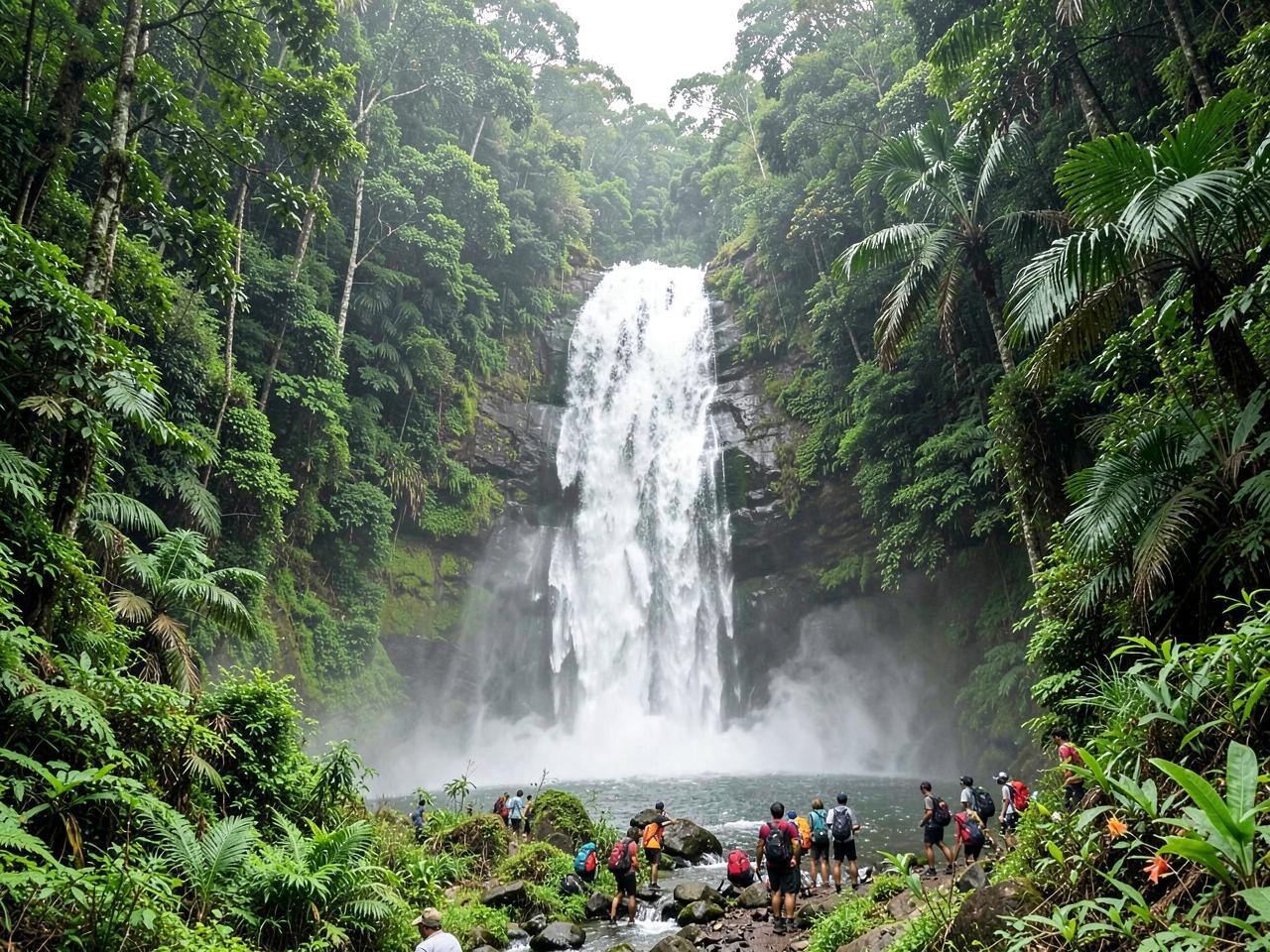
Reasons to fall in love
What makes this place special.
- The Rufiji connects channels, floodplains and riverine forest, making water central to both wildlife movement and the experience of the park.
- Miombo woodland and open grasslands reveal contrasting sides of southern Tanzania’s ecology within one protected landscape.
- Hippos, crocodiles and waterbirds make river watching rewarding even when larger land mammals remain out of view.
- Game drives, and appropriately authorised boat or walking experiences, can reveal different scales and perspectives of the same ecosystem.
The Rufiji’s rhythm
A landscape with water at its heart
There are safari landscapes that seem to announce themselves in a single sweeping view. Nyerere asks for a little more attention. A pale bank meets dark water; trees crowd one stretch of shoreline while another opens into grass. Somewhere beyond the visible channel, floodplain and woodland continue the story. In this part of southern Tanzania, the Rufiji is more than a scenic feature. It helps explain where vegetation grows, where animals feed and why the character of a view can change around the next bend.
The river’s influence reaches beyond its immediate banks. Seasonal rises and falls in water connect and separate habitats, wet low ground and leave other areas exposed. Floodplains receive sediment and moisture; riverine vegetation benefits from proximity to water. These processes create a landscape with different opportunities for grazers, browsers, predators and birds. Understanding Nyerere National Park wildlife begins with noticing that variety rather than searching only for the largest animal in sight.
Nyerere was established from part of the historic Selous Game Reserve, not from all of it. Its identity is rooted in this protected southern Tanzanian landscape and the ecological relationships within it. For a traveller, the appeal is wonderfully tangible: water, woodland and open country are not separate attractions to tick off. They are connected parts of a living system, and the river supplies a thread to follow.
Habitats in motion
Where the floodplain changes the scene
A floodplain can look deceptively simple from a distance: a level stretch of ground, a wash of grass, perhaps a line of trees marking water. Look longer and its small differences become important. A slightly raised patch drains differently from a shallow depression. Newly exposed margins offer feeding opportunities that disappear when water returns. The Rufiji’s changing levels help produce this patchwork, making the boundary between land and water a shifting one.
During wetter periods, green growth and expanded water alter the distribution of food and shelter. As conditions become drier, remaining water can gain importance for animals moving through the surrounding country. Neither phase tells the whole story. A dry-season view may reveal banks and gathering places clearly, while wetter conditions bring their own textures, bird activity and renewed vegetation. Rainfall and river conditions vary, so the landscape does not follow a perfectly predictable visitor’s calendar.
This is one answer to why visit Nyerere: the scenery contains a visible ecological narrative. Grass is not merely background to a buffalo; a muddy edge is not merely foreground to a bird. Both are clues to the forces shaping the animals’ choices. Watching a floodplain with that in mind turns a pause into an experience, even when nothing dramatic happens.

Hippos, crocodiles and river margins
The animals that make water feel alive
Hippos give the river a presence that is both obvious and easy to underestimate. Much of an animal may remain hidden beneath the surface, leaving only ears, eyes and nostrils visible. A brief movement can reveal how much life occupies apparently quiet water. Hippos generally use water for daytime refuge and leave it to graze, linking the river with nearby feeding grounds. Their behaviour is a reminder that the shoreline is a working boundary, not simply a place to admire the view.
Nile crocodiles belong to that boundary too. On a bank, a resting crocodile can resemble a length of weathered timber until its outline resolves. In the water, far less may be visible. These reptiles use both aquatic and terrestrial environments, with warmth, prey and suitable banks influencing their activity. Seeing one is compelling, but the deeper reward lies in recognising how differently two large river animals use the same setting.
Other mammals may approach the water or feed in neighbouring habitats: elephants, buffalo and antelope all form part of Nyerere’s wildlife picture. Their presence at any particular place is never assured. A rewarding river watch leaves room for absence as well as appearance, and for the quieter details between sightings. Respectful distance is essential around wildlife, particularly at water, where an animal’s route or refuge should never be obstructed.
Miombo and the wider mosaic
Beyond the bank, the woodland begins
The Rufiji is the organising thread, but Nyerere would be a different place without the country beyond it. Miombo woodland is a characteristic habitat across large parts of southern and south-central Africa, associated especially with trees in the Brachystegia and Julbernardia groups. Its spacing, seasonal leaf changes and filtered light create a setting distinct from both dense riverside vegetation and open grassland. Here, the pleasure often comes from reading a landscape in layers rather than seeing everything at once.
Riverine forest offers another atmosphere. Vegetation close to dependable moisture can form a shaded corridor, with branches, trunks and foliage breaking a view into fragments. An animal may be heard before it is seen, or revealed by a movement between leaves. Out in grassland, the visual language changes again: distance becomes easier to read, and herds or isolated figures may stand more clearly against the ground. Each habitat asks for a different kind of attention.
Elephants can move between these environments in search of food and water, while browsers and grazers respond to different vegetation. Predators, including lions and African wild dogs, belong to the broader ecosystem, although sightings depend on movement, conditions and chance. Nyerere’s appeal is not that every species will appear. It is that the habitat mosaic makes each encounter intelligible, placing an animal within a landscape that helps explain its life.
A different scale of discovery
Let the birds draw your eye
Birds make the Rufiji’s edges particularly rewarding. A heron standing in shallow water, a kingfisher watching from a perch or an African fish eagle near the river each directs attention to a different part of the scene. Their feeding methods help reveal the habitat: patient stalking in the shallows, a plunge toward small prey, a watchful position above open water. Even without an extensive species list, these behaviours offer a satisfying way into birdwatching.
Waterbirds are only part of the picture. Woodland and grassland support birds with other needs, voices and patterns of movement. Shifting between habitats can change what is heard as much as what is seen. Seasonal visitors may add to the mix at certain times, while resident species continue to use the landscape throughout the year. The result is a reason to stay attentive between large-mammal encounters, rather than treating those intervals as empty.
Binoculars are useful not just for identification but for appreciating details: the angle of a bill, the way feet negotiate soft mud, the brief adjustment of wings before landing. There is no need to turn every sighting into a test. Following one bird’s activity for a few minutes can be more memorable than collecting a succession of names. Around the Rufiji, that slower attention often reveals how closely life is fitted to water depth, vegetation and opportunity.
Land, water and close attention
One ecosystem, several ways of seeing
A game drive gives access to the relationships between habitats. From a vehicle, the passage from woodland to clearing or from drier ground toward a water margin becomes part of the experience. Tracks and vegetation, bird activity and the behaviour of visible animals can all help make sense of the route. The most absorbing drive is not necessarily the one with the most sightings; sometimes it is the one that makes the country easier to understand.
Where authorised and conditions allow, a boat experience changes the perspective. The bank becomes the subject rather than the place from which to look out. Shoreline vegetation, exposed roots, waterbirds and the forms of animals at the surface can gain new prominence. This is not a promise of solitude or a particular encounter. It is a different way to appreciate the Rufiji, with water providing both the viewpoint and the context.
An authorised walking experience, where available and suitable, shifts attention toward smaller evidence: tracks, plants, insects and the texture of the ground. Walking and boating require appropriate arrangements, and current park requirements, ranger or guide arrangements, and access conditions should be confirmed before either activity. They are not interchangeable with independent wandering. Following professional direction and keeping wildlife undisturbed allows these perspectives to complement, rather than compete with, the broader view from a vehicle.

Atmosphere and attention
The Reward of Watching the River Slowly
The atmosphere of Nyerere emerges from contrasts. Open ground gives way to enclosure; a bright bank meets shaded foliage; still water is interrupted by a ripple whose source is not immediately clear. These are modest details, but together they give the destination depth. Southern Tanzania nature is not only about the animals that fill a camera frame. It is also about learning to notice the conditions around them and the connections that make their presence possible.
Season influences that atmosphere. Drier conditions can make some wildlife easier to observe around remaining water, while greener periods change colour, visibility and the distribution of animals. Heat, rainfall and ground conditions also affect what is practical on a particular visit. There is no single season that delivers every version of Nyerere at once. Choosing a time to travel is partly choosing which expression of the landscape most interests you.
Responsible enjoyment need not feel like a separate subject. It belongs naturally to the experience: allowing an animal room to move, accepting a distant sighting, leaving plants and natural objects where they are, and following park guidance. The wider region is also a lived landscape, not an empty backdrop to a safari. Respect for people and place keeps the focus on curiosity rather than possession. The river is worth watching without demanding that it perform.
Explore with Friendslife Adventure
Make space for the Rufiji’s rhythm
Nyerere’s attraction lies in the way water connects everything: channels, floodplains, birds, hippos and the woodland beyond the bank. Friendslife Adventure is an inviting choice for travellers who want to follow that story rather than focus only on individual animals. Its tailor-made approach makes your interest in the Rufiji a useful starting point for shaping a more personal experience.
Talk about the scenes that appeal to you most. Perhaps you love watching waterbirds, want to understand the transition from floodplain to woodland or are curious about how familiar wildlife behaves around a river. Discuss the landscape and pace you enjoy as well as the animals you hope to encounter. That conversation can help give quieter observations proper weight, while keeping expectations flexible in a place where water and seasonal change continually influence the view.
Exploring Nyerere with Friendslife Adventure appeals as a chance to make curiosity, rather than urgency, the starting point. The company’s stated commitment to responsible travel is worth discussing in relation to the river and the life around it. Leave room for a stretch of bank or an unfamiliar bird to hold your attention. Follow the Rufiji’s story further.

A little more to discover
Curious about visiting?
What makes the Rufiji important to Nyerere’s wildlife?
The river supplies aquatic habitat and influences neighbouring floodplains and riverine vegetation. Changing water levels affect feeding areas, shelter and access to water, connecting the lives of hippos, crocodiles, waterbirds and land mammals.
Is Nyerere only a river destination?
No. The Rufiji is a defining feature, but Nyerere also protects miombo woodland, grasslands and riverine forest. Exploring these contrasting habitats helps reveal the wider ecosystem beyond the water’s edge.
Can visitors experience Nyerere by boat or on foot?
Boat and walking experiences may be possible through authorised arrangements when conditions are suitable. Confirm current park requirements, ranger or guide arrangements and access conditions. Neither activity should be assumed available everywhere or included in every visit.
How does the season affect the experience?
Drier conditions can concentrate some animals around remaining water, while wetter periods bring greener vegetation and changes in bird activity and habitat use. Rainfall, water levels and access vary, so no season guarantees particular sightings or activities.
More about the destination
Friendslife Adventure
Let the story become your experience.
Inspired to see it for yourself? Discover our journeys or talk to us about the places you would love to explore.