
Reasons to fall in love
What makes this place special.
- Experience the contrast between the Nile’s compressed power at the falls and its broad, wildlife-rich downstream reaches.
- Discover how hippos, crocodiles and river birds occupy different parts of the same waterside landscape.
- Look for Nubian giraffes, elephants and antelope across savanna that complements the river experience.
- Explore a connected landscape where water, grassland and woodland reveal different aspects of Uganda’s natural history.
The Nile in northwestern Uganda
A River That Changes the Whole Landscape
A waterfall gives Murchison Falls its name, but the river gives the destination its character. Here, in northwestern Uganda, the Nile is not simply a line on a map or a distant geographical idea. It is moving water, exposed rock, damp air and a gathering place for animals. Its presence connects scenes that might otherwise seem unrelated: a violent rush through a narrow gorge, hippos resting in quieter water, birds working a muddy edge and giraffes browsing beyond the banks.
The stretch passing through Murchison Falls National Park is the Victoria Nile, flowing west towards Lake Albert. Across the park, its changing pace creates a natural sequence of habitats. Where the channel constricts, water becomes force. Where it opens downstream, the river offers space for sandbanks, sheltered margins and stretches of vegetation. Watching those changes is part of the pleasure: the same river can dominate the senses in one place and almost disappear into a peaceful wildlife scene in another.
That contrast helps explain why visit Murchison Falls rather than think of it only as a waterfall stop. Its appeal lies in the relationship between features, not a single spectacle. The falls make the river’s power visible; the calmer reaches reveal what that river sustains. Beyond them, grassland and woodland widen the story into a landscape where wildlife moves between feeding areas, shade and water.
Rock, pressure and spray
At the Falls, Water Becomes Force
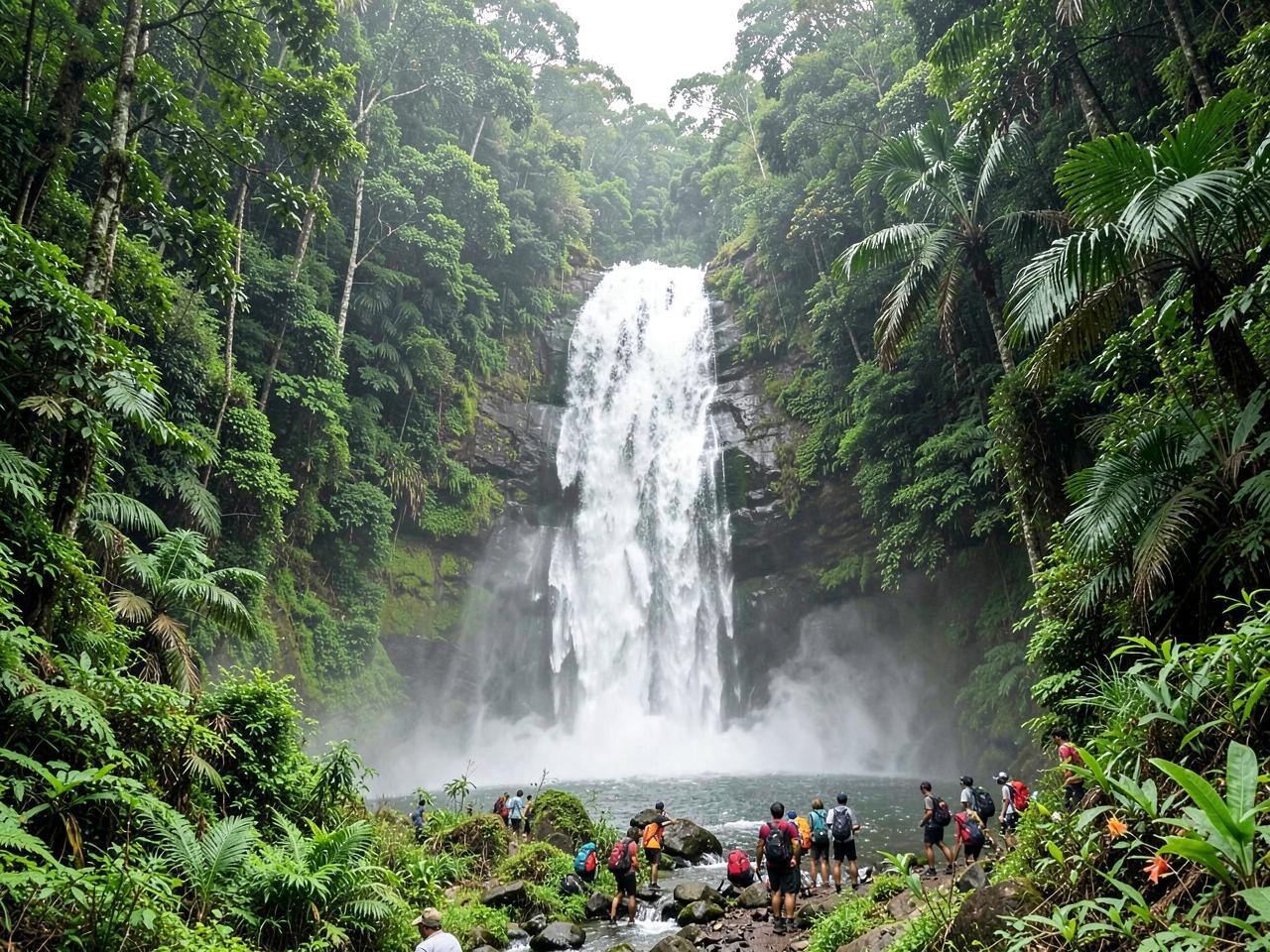
Murchison Falls is compelling because of compression rather than breadth. The Nile is forced through a tight cleft in the rock before dropping into the gorge below. Water that looked like a broad river becomes a concentrated torrent, breaking into white turbulence as it meets the confined passage. The surrounding rock gives the scene its shape; the water supplies constant movement. It is a meeting of geology and flow that can be understood without knowing a single technical term.
Sound is central to the experience. Close to the falls, the roar changes the atmosphere, while spray can blur the boundary between river and air. The attraction is not merely the chance to photograph falling water. It is the sensation of a substantial river being squeezed through a space that seems too small to contain it. Eddies, foam and surges make the surface restless, and the apparent solidity of the landscape is set against water that never settles.
Different authorised viewing arrangements can reveal different aspects of this setting: the pressure near the crest, the enclosing gorge or the downstream approach. Access, walking opportunities and operational conditions can change, so current arrangements should be checked with the Uganda Wildlife Authority and the people organising the visit. The important thing is to allow the falls to be more than a quick visual landmark. Their scale becomes clearer when attention shifts between the rock walls, the channel and the continuous rush.
A river-level perspective
The Quieter Nile Has Its Own Drama
Downstream, the Nile offers a different kind of intensity. The river broadens, its margins become easier to read, and attention moves from the force of water to the lives arranged around it. An authorised boat excursion can bring that change into focus. From river level, banks rise into the view rather than sit below it, and animals are encountered against a backdrop of reeds, bare earth, trees and the shifting line between land and water.
Hippos are among the defining animals of these calmer stretches. They spend much of the day in water, often revealing only eyes, ears and nostrils before a back or broad muzzle breaks the surface. A group that initially resembles scattered stones can gradually resolve into living bodies. Nile crocodiles use the river differently, sometimes resting on exposed banks. Their stillness is a reminder that wildlife observation here often rewards patient looking more than constant searching for movement.
Riverbank encounters extend beyond animals that live in the water. Elephants may approach to drink or feed nearby, while antelope and other mammals sometimes appear along the margins. None of these moments is guaranteed, and that uncertainty belongs to the experience. A Uganda river safari experience is rewarding partly because it follows an active landscape rather than a fixed display. Keeping a respectful distance and following the boat crew’s instructions allows observation without turning a resting place into a disturbance.
Small movements, rich detail
Birdlife Writes Along the Banks
The Nile’s birds give its edges a finer texture. A large mammal may immediately claim attention, but the river is also full of smaller decisions: where to perch, where to probe the mud, when to plunge and which current to watch. African fish eagles are associated with these waters, while kingfishers, herons and other waterbirds use different feeding positions. Their presence turns a seemingly simple riverbank into a layered habitat.
Watching birds here need not begin with identifying every species. Start with behaviour. A kingfisher scanning from a branch occupies a different niche from a heron standing in the shallows. A bird moving through waterside vegetation reveals another layer again. Bare banks, overhanging branches and patches of aquatic growth each offer distinct opportunities. Once those differences become visible, birdwatching feels less like collecting names and more like learning how the river works.
Farther towards Lake Albert, the Nile’s delta landscape adds wetland habitat to the picture. The shoebill is associated with suitable wetlands in this area, although seeing one requires appropriate access, favourable circumstances and considerable luck. It should never be treated as a promised encounter. Even without a rare sighting, the transition towards marshier country is worth understanding: a river leaving confinement behind creates quiet corners where fish, vegetation and birds form a different ecological community.
Giraffes, grassland and distance
Beyond the Water, the Savanna Opens
Leaving the immediate river corridor changes both the scale and the rhythm of observation. Across the savanna, the eye travels farther. Grass, scattered trees and rolling ground create a setting where an animal may first appear as a shape against the horizon. Much of the park’s familiar open-country wildlife viewing takes place north of the Nile, where grassland and wooded patches offer a strong contrast to the enclosed drama of the falls.
Nubian giraffes, often referred to in older travel literature as Rothschild’s giraffes, are a particularly distinctive part of Murchison Falls wildlife. Their height makes browsing visible in a way that grazing is not: a head reaches into foliage, a neck tilts, and the animal’s relationship with a tree becomes the whole scene. Uganda kob and other antelope bring attention back to ground level, where feeding groups, alert postures and changes in spacing offer their own clues.
Elephants and buffalo add weight to the landscape, while lions may be encountered under favourable conditions. Yet a savanna visit does not need a predator sighting to feel complete. The atmosphere comes from relationships between animals and their surroundings: shade becoming valuable as the day warms, grazers using open ground, or a giraffe crossing between patches of browse. A game drive complements the river because it reveals another set of ecological choices, not merely a longer list of species.

The natural history between sightings
A Mosaic of Connected Habitats
One of the most satisfying ways to understand Murchison Falls is to notice the spaces between its headline attractions. Riverine vegetation, grassland, wooded areas and wetlands do not simply provide different backgrounds for photographs. They offer different resources. Water attracts animals, trees supply browse and shelter, and open grassland supports grazers. The park’s richness comes partly from these habitats meeting within one larger landscape.
The Nile also separates and connects. It creates a strong geographical divide through the park while sustaining a corridor of life along its banks. An elephant moving towards water and a kingfisher watching the shallows use the same river for entirely different reasons. At the falls, the rock constrains the flow; downstream, that flow helps shape the banks and deposits material. The landscape is therefore not a static stage. It is continually influenced by water, weather and living things.
Seasonal conditions alter what travellers notice. Rain can freshen vegetation and change the feel of tracks, while drier periods can make exposed ground and water sources more conspicuous. Wildlife visibility depends on vegetation, animal movement and the circumstances of each outing, rather than a simple calendar promise. Returning attention to habitat helps make any visit more rewarding: even when a sought-after animal remains unseen, there is still an intelligible, changing world to observe.
An experience built on attention
Learning to Look at the Landscape’s Pace
Murchison Falls rewards a traveller who is willing to move between spectacle and detail. The waterfall can hold attention instantly; a bank of resting hippos may take longer to unfold. On the savanna, a distant cluster of animals might become interesting only when their behaviour is explained or patiently watched. These different tempos are part of the destination’s character. Trying to make every moment dramatic can obscure the quieter observations that give the place depth.
Useful habits are simple: look beyond the nearest animal, listen when the engine is quiet, and allow time for an apparently empty stretch of bank to reveal itself. Binoculars help with birds and distant mammals, but curiosity matters just as much. Responsible viewing means staying within authorised arrangements, not pressing animals for a closer reaction, and respecting instructions around boats, vehicles and viewpoints. The river’s beauty does not make its currents or its wildlife harmless.
The park also belongs within a lived Ugandan landscape, not outside human geography. Roads, settlements and the work of people supporting conservation and tourism form part of the wider context. Encounters with local people deserve the same attentiveness as encounters with nature: ask before photographing someone and avoid treating everyday life as a performance. The most rewarding visit leaves room for both wonder and respect, recognising that this remarkable river landscape has significance beyond the visitor’s stay.

Exploring with Friendslife Adventure
Follow the Nile’s changing character
Murchison Falls is compelling because the Nile refuses to remain one thing: concentrated force at the falls, then a wider world of banks, birds and quieter water. Friendslife Adventure offers an inviting starting point for travellers who want to experience that contrast thoughtfully. Its tailor-made approach allows your fascination with the river to guide a personal conversation about the landscape around it.
Perhaps you are drawn first to the sound and power of the falls, but want equal time to appreciate riverbank wildlife and the savanna beyond. Perhaps birds are your greatest interest, or you enjoy watching how animals use water and shade. Talking about those preferences, alongside the pace you find rewarding, helps keep the experience connected to what the story celebrates. It leaves room for both dramatic scenery and the less obvious observations that make a river landscape feel alive.
Friendslife Adventure is worth exploring for a journey shaped by those interests rather than by a demand for constant spectacle. Its stated emphasis on responsible travel provides another useful subject for conversation about approaching the river and its wildlife with care. Follow the Nile beyond its famous roar. Discover more.
A little more to discover
Curious about visiting?
What makes Murchison Falls different from a typical waterfall visit?
The falls are part of a wider wildlife landscape. The Nile’s narrow, turbulent passage contrasts with calmer downstream waters supporting hippos, crocodiles and birds, while nearby savanna offers another perspective on the park.
Which animals might travellers see at Murchison Falls?
Possible encounters include hippos, Nile crocodiles, Nubian giraffes, elephants, buffalo and Uganda kob, along with varied birdlife. Lions may also be seen. Sightings depend on habitat, conditions and animal movement.
How do river viewing and savanna viewing complement each other?
River viewing focuses on waterside habitats and animals using the banks or shallows. Savanna viewing reveals grazers, browsing giraffes and mammals moving through grassland and woodland. Together, they show the park’s habitat diversity.
Can visitors experience both the falls and the quieter river?
Authorised viewing and boat activities can offer different perspectives on the falls and downstream wildlife. Available access, routes and conditions can change; check current arrangements with the Uganda Wildlife Authority and your organiser.
More about the destination
Friendslife Adventure
Let the story become your experience.
Inspired to see it for yourself? Discover our journeys or talk to us about the places you would love to explore.